
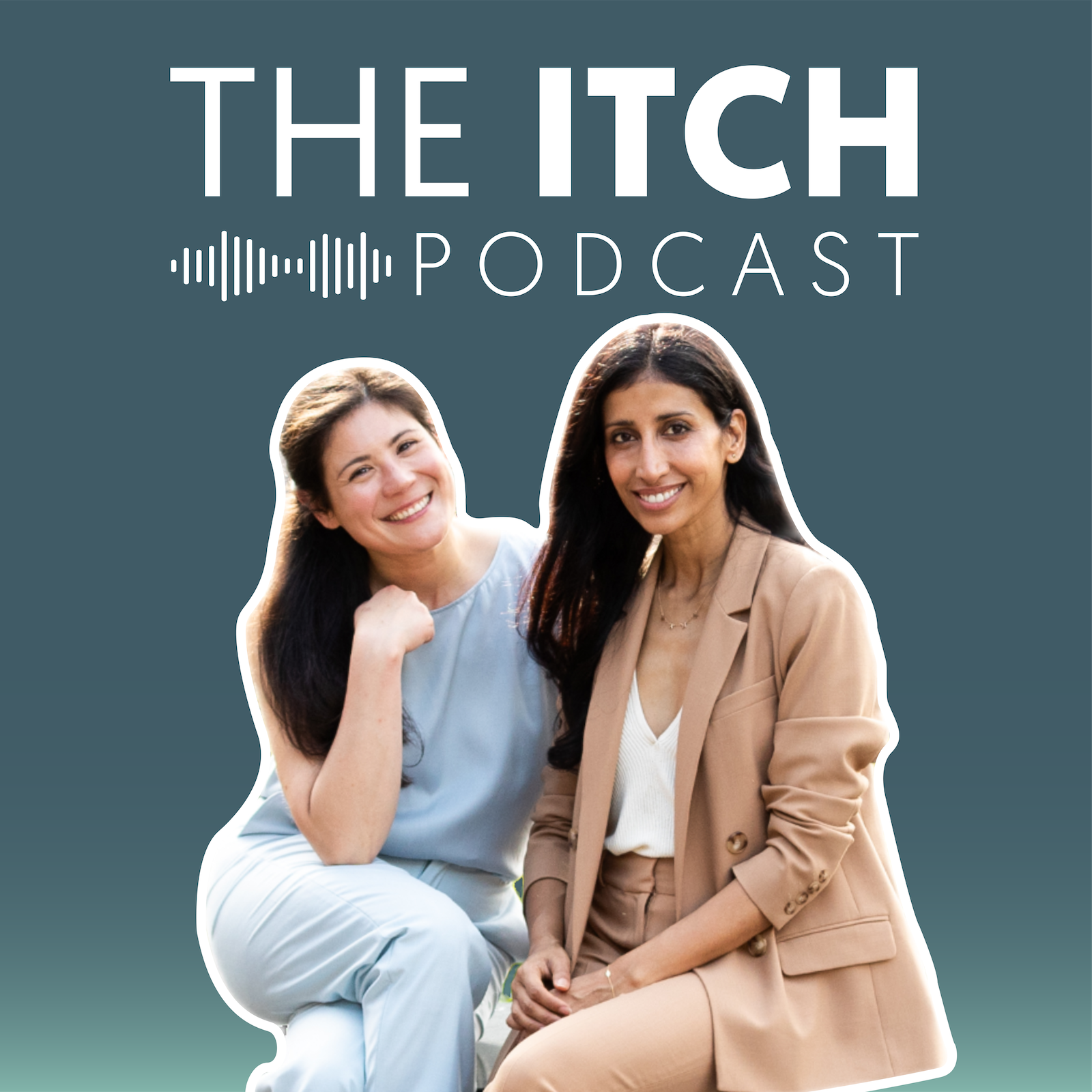
A podcast bringing you easily digestible information on all things allergies, asthma eczema, and immunology
Episodes
May 2, 2025
May 2, 2025
32 min
Did you know you could potentially reduce your baby’s risk of developing food allergies by up to 80%?
That’s the power of early allergen introduction. Feeding a baby the top 9 allergens consistently starting between 4 to 6 months can make a life-changing difference.
We’re launching a brand-new series about food allergies at various stages of life. Whether you’re just starting solids, navigating a new diagnosis, or in a new stage of life, this series is here to support you with evidence-based tips and real talk. In this first episode, Kortney and Dr. Payel Gupta explore how to potentially prevent food allergies before they even develop.
Why do you want to know more about introducing allergens to baby?
For years, parents were told to wait until toddlers were older before introducing allergenic foods. But groundbreaking research, including the LEAP, LEAP-On, and PETIT studies, turned that advice on its head.
We no longer wait to feed babies food allergens. Instead, early (around 4–6 months) and sustained exposure to top allergens like peanut and egg is recommended for all babies. In this episode, Dr. G and Kortney explain the studies, walk you through how to do it safely, and bust common myths that leave parents confused or anxious.
What we cover in our episode about early allergen introduction
- Why guidelines changed: Learn how the LEAP & PETIT studies reshaped allergy prevention.
- How to introduce the top 9 allergenic foods safely, including forms that are appropriate for infants.
- What “sustained exposure” means and how often to serve allergens after that first taste.
How eczema increases allergy risk and what transcutaneous sensitization means. - What allergic signs to watch for: mild hives vs. serious allergic reactions and when to call the doctor.
More resources about food allergy prevention
- USDA Updates Dietary Guidelines to Include Introduction of Food Allergens
- Delaware Adopts Law Covering Early Introduction of Food Allergens
- What is a food allergy?
- American Academy of Pediatrics Early Feeding Guidelines
- AAAAI / ACAAI handouts on introducing peanut & egg
- FARE: How to Use Peanut Puffs Safely
- Solid Starts: Peanut Butter Guide (Creative Ways to Serve)
- PreventAllergies.org Recipe Library
- Our infant anaphylaxis episode (with Dr. Mike)
Made in partnership with the Allergy & Asthma Network. Thanks to Genentech and Aquestive for sponsoring today’s episode.
This podcast is for informational purposes only and does not substitute professional medical advice. Always consult with your healthcare provider for any medical concerns.
Apr 24, 2025
Apr 24, 2025
27 min
Have you wondered why having more drug options matters for chronic rhinosinusitis with nasal polyps?
In the inaugural episode of our new series, The Itch Review, co-hosts Kortney and Dr. Payel Gupta, along with special guest Dr. Michael Blaiss, unpack the journal article "Tezepelumab in Adults with Severe Chronic Rhinosinusitis with Nasal Polyps," published in the New England Journal of Medicine on March 1, 2025.
This article is about the Phase III WAYPOINT trial of tezepelumab. Already approved for severe asthma, this once-monthly biologic is now showing promise in chronic rhinosinusitis with nasal polyps (CRSwNP). Over 52 weeks, 408 patients were randomized to receive 210 mg of tezepelumab every four weeks or placebo. Researchers tracked nasal-polyp scores, congestion, sense of smell, and rates of rescue surgery.
In this episode, we provide a brief overview of what CRSwNP is, why inflammation drives polyp formation and how blocking TSLP fits into today’s biologics options. We’ll walk you through the WAYPOINT Phase III design, explain the primary and secondary endpoints, and translate the headline results into what they mean for real-world patients who’ve exhausted their treatment options.
What we cover in our episode about treating chronic rhinosinusitis with nasal polyps with tezepelumab
- CRSwNP basics & tezepelumab mechanism of action: How nasal polyps form and why targeting TSLP can reduce inflammation
- WAYPOINT design: 52-week, placebo-controlled Phase III study in 408 patients
- Primary endpoints: Mean change in nasal polyp score and nasal-congestion score
- Secondary endpoints: Smell recovery, need for rescue surgery or systemic steroids, and quality-of-life measures
- Why choice matters: Every CRSwNP patient responds differently, and having more treatment options means more chances to find the right fit
Made in partnership with The Allergy & Asthma Network. Thanks to AstraZeneca for sponsoring today’s episode.
This podcast is for informational purposes only and does not substitute professional medical advice. Always consult with your healthcare provider for any medical concerns.
Apr 17, 2025
Apr 17, 2025
28 min
Ever wonder who’s working behind the scenes to improve allergy care nationwide?
In this episode, we sit down with Dr. James Tracy, the 2024-2025 president of the American College of Allergy, Asthma & Immunology (ACAAI), to explore how the College supports both patients and clinicians. Dr. Tracy shares how he got involved, what drives his leadership, and what’s ahead for the future of allergy and asthma care.
From workforce shortages to the promise of AI in medicine, this conversation takes you behind the curtain of the specialty. Plus, we dig into how patients and providers alike can make a difference through advocacy.
What we cover in our episode about ACAAI, leadership & allergy care
- Dr. Tracy’s unique path to leadership: How his non-traditional journey from practicing in rural Nebraska to leading the ACAAI shaped his approach to advocacy and patient care.
- Creating leadership opportunities: Why mentorship and involvement in ACAAI committees can open doors for clinicians, fellows-in-training, and future leaders in allergy and immunology.
- Patient tools that make a difference: Free ACAAI resources that help patients better understand and manage their conditions.
- The evolving role of the allergist: How allergists are uniquely trained to manage complex conditions and why that matters as technology, treatment options, and care delivery evolve.
- Future-focused leadership at ACAAI: Dr. Tracy’s vision for tackling workforce shortages, embracing AI and gene editing, and keeping patient care at the center of innovation.
Resources:
Apr 10, 2025
Apr 10, 2025
27 min
Ever wonder how culture and language barriers affect diagnosing chronic spontaneous urticaria (CSU) in Latinx patients?
In this episode, allergist Dr. Juanita Mora joins Kortney and Dr. Gupta to discuss chronic spontaneous urticaria (hives) and the unique challenges faced by the Latinx community. They highlight the importance of cultural competency in health care and the barriers that Latinx patients often encounter, such as language differences and access to specialists. They also discuss how Latinx patients are often not given all treatment options for hives, such as biologics.
Dr. Mora emphasizes the importance of having resources available in Spanish and encourages patients and families to advocate for their care. They explore practical tips on how technology, family support, and proper patient education can help overcome barriers, leading to better diagnosis, treatment, and improved quality of life for Hispanic patients managing CSU.
What we cover in our episode about chronic hives in the Latinx community:
- Diagnosing hives in skin of color: How CSU symptoms can present differently on darker skin tones, making accurate diagnosis harder.
- Overcoming barriers for Latinx patients: The specific hurdles the Latinx community faces like language barriers, limited access to Spanish-speaking allergists, and challenges obtaining advanced treatments such as biologics.
- Role of family and community support: How involving family members and community leaders can improve CSU awareness, reduce stigma, and encourage patients to seek timely medical treatment.
- Importance of Spanish-language patient education: Why accessible, culturally relevant education and resources in Spanish are essential for empowering Latinx patients to manage their CSU effectively.
- Cultural beliefs and CSU diagnosis: How cultural perceptions around health and family influence the timing of diagnosis and willingness to seek medical care.
Resources Spanish
- ¿Qué es la urticaria crónica?
- Urticaria Crónica - Dr. Antonio Olvera
- Urticaria crónica espontánea/idiopática (erupción crónica)
- Protocolo urticaria cronica
Resources English
- Chronic Urticaria Management, Resources & Glossary of Terms
- Chronic Hives: 10 Actions to Support Your Mental Health
- Why Are My Hives Not Going Away?
Made in partnership with The Allergy & Asthma Network. Thanks to Novartis for sponsoring today’s episode.
This podcast is for informational purposes only and does not substitute professional medical advice. Always consult with your healthcare provider for any medical concerns.
Mar 27, 2025
Mar 27, 2025
31 min
Have you ever wondered if steroids are the best choice for managing your eczema?
While both topical and oral steroids offer quick relief from severe eczema flares, understanding their long-term risks and safer alternatives can dramatically improve your quality of life.
In this episode, Dr. Mondana Ghias joins Kortney and Dr. Gupta to discuss the complex role of systemic corticosteroids in eczema management. They dive deep into the short-term relief that steroids provide for severe eczema symptoms and emphasize why steroids must be approached cautiously due to potential side effects and dependency risks.
Dr. Ghias also highlights the unique challenges of eczema care for individuals with skin of color, addressing differences in treatment response and the common issue of hypopigmentation caused by topical steroids.
What we cover in our episode about steroid use in eczema treatment:
- Role of Systemic Steroids: When steroids are necessary and how they quickly manage severe eczema flares.
- Risks and Side Effects: Understanding the serious long-term effects of systemic and topical steroids.
- Steroid Withdrawal: Recognizing the signs of steroid withdrawal and strategies to manage rebound effects.
- Challenges of Topical Steroids for Skin of Color: The unique risks of steroid use and managing hypopigmentation.
- Alternatives to Steroids and Innovative Treatments: The rise of biologics and targeted therapies offering safer, long-term solutions.
- The Importance of Specialist Care: Working with a dermatologist or allergist will help you find a sustainable long-term management plan.
Made in partnership with The Allergy & Asthma Network. Thanks to Sanofi and Regeneron for sponsoring today’s episode.
This podcast is for informational purposes only and does not substitute professional medical advice. Always consult with your healthcare provider for any medical concerns.
Mar 21, 2025
Mar 21, 2025
28 min
Ever wonder if the “asthma shot” from the ER, or those go-to steroid pills for your asthma flares, might be doing more harm than good?
Dr. Dipa Sheth joins us to discuss the common pitfalls of relying too heavily on oral corticosteroids (OCS), also known as oral steroids. We unpack why these systemic medications should generally be reserved for short-term use. She also shares how improving asthma control can help you avoid frequent steroid use in the first place.
Although oral steroids can effectively treat asthma flare-ups in emergency settings, overuse poses significant risks, from adrenal insufficiency to osteoporosis. We dig into ways patients can proactively manage their asthma, reduce ER visits, and talk to healthcare providers about preventive treatments (like inhalers or biologics for asthma) that keep inflammation in check without the side effects of frequent steroid use.
Note: Although we discuss oral corticoid steroids, they can also be given as injections or via IV drip for asthma. We would also like to refer to them as systemic steroids as they impact the entire body, unlike inhaled steroids, which target the airways and lungs.
What we cover in our episode about oral steroid overuse
- Understanding Oral Corticosteroids (OCS): Learn what these steroids (often called the “asthma shot” in the ER) are and how they can help with severe flare-ups.
- Why Overusing Steroids Can Be Risky: Discover the potential long-term side effects of relying on systemic steroids (pills, injections, or IV), from adrenal insufficiency and osteoporosis to more frequent infections.
- Short-Term Fix vs. Lasting Relief for Asthma Care: Learn how urgent care or ER visits may mask an under-managed condition and why seeing a specialist can improve asthma control.
- Safer Alternatives to OCS: Explore inhaled corticosteroids, biologics, and other preventive treatments that target asthma at its source, reducing the need for frequent steroids.
- Taking Control and Reducing ER Visits: Get practical strategies for working with your healthcare provider to minimize steroid use, prevent flare-ups, and break free from the cycle of repeated steroid courses.
This podcast is made in partnership with The Allergy & Asthma Network. Thanks to Sanofi and Regeneron for sponsoring today’s episode.
This podcast is for informational purposes only and does not substitute for professional medical advice. If you have any medical concerns, always consult with your healthcare provider.
Mar 13, 2025
Mar 13, 2025
29 min
What does "control" mean when managing allergic conditions, and how can you achieve it?
When you have asthma, eczema, nasal polyps, or other conditions caused by type 2 inflammation, reaching a state of control can dramatically improve your quality of life. But what does "control" really mean? Is it the same as a cure? And what steps should you take if your current treatment isn't working?
In this episode, Dr. Payel Gupta and Kortney dive deep into the idea of control in the context of Type 2 inflammation. They explain that control doesn't mean you'll never experience symptoms again. Rather, it's about having fewer, milder flare-ups and the freedom to live your life more comfortably.
Dr. Gupta explains what control means for various conditions, why it matters, and how recognizing signs of poor control can protect against long-term complications. Kortney shares her own experience managing asthma and eczema with biologics, highlighting why symptom tracking and regular check-ins with your doctor are essential, even when you’re feeling good.
What we cover in our episode about achieving control over Type 2 inflammation:
- Defining Control in Type 2 Inflammation: Learn what control actually looks like. Discover the difference between controlling symptoms and curing the condition entirely.
- Why Achieving Control Matters: Find out why uncontrolled Type 2 inflammation can lead to worsening symptoms, frequent hospital visits, increased medication needs, and significantly impact your day-to-day life.
- Managing Multiple Conditions and the Role of Specialists: Understand why having more than one Type 2 inflammatory condition can lead to a "domino effect," worsening overall health. Learn how specialists like allergists can help you manage multiple conditions effectively.
- Treatment Options for Controlling Type 2 Inflammation: Get an overview of available treatments, including biologic therapies specifically designed to target underlying inflammation pathways. Understand the role these medications play in improving quality of life.
- Practical Tips for Managing Symptoms at Home: Learn ways to reduce inflammation by identifying and minimizing triggers, allergy-proofing your environment, and adopting healthier lifestyle practices.
More episodes that will help you:
- Ep. 101 What is Type 2 Inflammation
- Ep. 98 Food Allergy Treatment and Management
- Ep. 87 What biologic therapies are available for allergic conditions?
- Ep. 85 Navigating Biologic Therapy – What You Need to Know
- Ep. 78 Chronic Spontaneous Urticaria Treatments
- Ep. 56 Biologic Therapies for Asthma
Made in partnership with The Allergy & Asthma Network. Thanks to Sanofi and Regeneron for sponsoring today’s episode.
This podcast is for informational purposes only and does not substitute professional medical advice. Always consult with your healthcare provider for any medical concerns.
Mar 6, 2025
Mar 6, 2025
27 min
Can you slow down the atopic march and prevent kids from developing more allergic diseases?
Type 2 inflammation plays a central role in allergic diseases, which impact children from infancy through adulthood. From eczema and asthma to food allergies and allergic rhinitis, these conditions are all connected through an underlying immune response: Type 2 inflammation. But is there a way to prevent the progression of these diseases?
In this episode, Dr. Payel Gupta and Kortney are joined by Dr. Priya Bansal to explore how Type 2 inflammation manifests in children, the concept of the atopic march, and whether treatments like immunotherapy or biologics can alter the course of the diseases.
Many parents aren’t aware of the atopic march until their child starts developing multiple allergic conditions. Understanding how Type 2 inflammation progresses and when to intervene can be crucial in managing these diseases early. Dr. Bansal shares her expert insights on the best time to seek treatment and how biologics may help some children break the cycle of inflammation.
What we cover in our episode about type 2 inflammation in children
- Understanding Type 2 Inflammation in Children: Understand type 2 inflammation’s role in conditions like eczema, asthma, allergic rhinitis, and food allergies. Learn why children with one allergic condition often develop others over time.
- The Atopic March: Discover why some children with eczema go on to develop asthma and food allergies. Learn why early intervention can make a difference.
- Immunotherapy and Biologics: Can They Change the Course of Disease? Understand how allergy shots, OIT, SLIT and biologics work, when they are recommended, and whether they can stop or slow down the atopic march in children.
- When to See an Allergist & Parental Concerns About Treatment: Learn the signs that indicate your child may need an allergist evaluation. Plus, we address common concerns about aggressive treatment options, including steroids and biologics.
- Managing Type 2 Conditions at Home & School: Practical tips for parents navigating food allergic diseases.
Made in partnership with The Allergy & Asthma Network. Thanks to Sanofi and Regeneron for sponsoring today’s episode.
This podcast is for informational purposes only and does not substitute professional medical advice. Always consult with your healthcare provider for any medical concerns.
Feb 21, 2025
Feb 21, 2025
26 min
Why do conditions like asthma, nasal polyps, or eczema become more severe when they coexist?
Kortney and Dr. Payel Gupta are joined by Dr. Michael Blaiss to explore the common thread linking multiple allergic and inflammatory diseases: Type 2 Inflammation. If you’ve ever wondered why certain conditions often appear together, this deep dive will help you connect the dots.
Type 2 Inflammation is a hot topic in immunology because it’s the engine that drives many allergic and inflammatory diseases. It’s also the key to modern treatment strategies, including targeted biologic therapies. Dr. Blaiss explains how clinicians recognize multiple Type 2-driven conditions in the same patient, why it is important to know the connection between multiple conditions and Type 2 inflammation, and the big-picture benefits of treating inflammation aggressively to prevent complications.
What We Cover in our Episode about The Diseases Related to Type 2 Inflammation
- Conditions Related to Type 2 Inflammation: Explore how chronic rhinosinusitis with nasal polyps (CRSwNP), rhinitis, asthma, atopic dermatitis (eczema), prurigo nodularis, eosinophilic esophagitis (EoE), and food allergies can all share a common inflammatory pathway.
- The Likelihood of Having Multiple Type 2 Conditions: How often do patients have more than one condition related to Type 2 Inflammation, and why is recognizing overlap a potential game-changer for diagnosis and treatment?
- Treating the Root Inflammation vs. Individual Symptoms: Discover how clinicians decide whether to address each condition separately or tackle the underlying Type 2 inflammatory process affecting them all.
- Markers & Personalized Medicine: Dr. Blaiss discusses whether potential tests, such as eosinophil counts or IgE levels, can confirm Type 2 inflammation. He also explains how knowing you have Type 2 Inflammation can help guide targeted therapy.
- Prevention & Aggressive Intervention: Understand why it’s crucial to treat inflammation early to reduce the risk of developing multiple Type 2 conditions and how this proactive approach benefits long-term health.
Want to know more? Type 2 Inflammation Overview – Explains the role of Type 2 inflammation in conditions like asthma and nasal polyps.
This podcast is for informational purposes only and does not substitute for professional medical advice. If you have any medical concerns, always consult with your healthcare provider.
Produced in partnership with The Allergy & Asthma Network. Thanks to Sanofi and Regeneron for sponsoring today’s episode. While they support the show, all opinions are our own, and sponsorship doesn’t influence our content or editorial decisions. Any mention of brands is for informational purposes and not an endorsement.

Feb 13, 2025
Feb 13, 2025
20 min
What do asthma, eczema, EoE, and nasal polyps have in common? They all stem from Type 2 inflammation!
Type 2 inflammation is a major cause of many allergic and inflammatory conditions, yet it remains widely misunderstood. In this first episode of our four-part series on Type 2 Inflammation, we discuss the basics, unpack its impact on the immune system, explain how it contributes to chronic inflammation in the body, and explain why it matters for treatment and management.
What we cover in our episode about Type 2 Inflammation
- Understanding Inflammation: Inflammation is your body’s natural defence mechanism, but it can become problematic when it turns chronic.
- Normal vs. Chronic Inflammation: Not all inflammation is bad! Learn the difference between the body’s normal immune response and long-term chronic inflammation.
- What Sets Type 2 Inflammation Apart? Unlike other immune responses, Type 2 inflammation involves a specific pathway.
- Key Players in Type 2 Inflammation: Th2 cells, cytokines (IL-4, IL-5, IL-13), IgE antibodies, and eosinophils.
- Measuring Type 2 Inflammation: How blood tests can help determine if Type 2 inflammation is contributing to your symptoms.
Want to know more? Type 2 Inflammation Overview – Explains the role of Type 2 inflammation in conditions like asthma and nasal polyps.
This podcast is for informational purposes only and does not substitute for professional medical advice. If you have any medical concerns, always consult with your healthcare provider.
Produced in partnership with The Allergy & Asthma Network. Thanks to Sanofi and Regeneron for sponsoring today’s episode. While they support the show, all opinions are our own, and sponsorship doesn’t influence our content or editorial decisions. Any mention of brands is for informational purposes and not an endorsement.