

A podcast bringing you easily digestible information on all things allergies, asthma eczema, and immunology
Episodes

Feb 10, 2025
Feb 10, 2025
18 min
We’re celebrating 100 episodes and six years of The Itch Podcast!
In this special episode, Dr. Payel Gupta and Kortney reflect on their journey—sharing insights from their experiences as a doctor-patient duo. Dr. G talks about how the podcast has influenced her as a provider, while Kortney shares how it has literally changed her life.
We also introduce The Journal Club, a brand-new series in which we unpack the latest journal articles in our famous, easy-to-digest style.
What We Cover in This Episode:
- Why Kortney decided to share her story about allergies, asthma, and eczema.
- Why Dr. Gupta became an allergist and how her personal journey shaped her career.
- The impact of patient advocacy—why Dr. G is passionate about empowering patients.
- The Itch Podcast's partnership with Allergy & Asthma Network and how it’s raising awareness and education.
- Lessons from six years of podcasting—what we’ve learned from our guests, experts, and YOU, our listeners.
- Introducing The Journal Club—a new series unpacking medical research in a simple and relatable way.
Jan 30, 2025
Jan 30, 2025
35 min
What would you do if your baby had a severe allergic reaction?
Recognizing and treating anaphylaxis in babies can be overwhelming, but knowing the right signs and symptoms can help you decide when to use epinephrine or distinguish it from a cold. Pediatric allergist Dr. Michael Pistiner joins us to discuss how to recognize anaphylaxis in infants, when to use epinephrine, and why early food introduction matters.
Understanding food allergies in infants, anaphylaxis symptoms, and emergency treatment is essential for parents and caregivers to act quickly and confidently. This episode will give you the confidence to respond in an emergency.
What We Cover in Our Episode on Infant Anaphylaxis
- What is anaphylaxis, and how does it present differently in infants vs. older children?
- How to differentiate an allergic reaction from common childhood illnesses.
- Why early allergen introduction is crucial and
- How over-testing can lead to unnecessary worry.
- When to use epinephrine vs. antihistamines for treating reactions.
- Parental fears about epinephrine and why it’s always the safest choice in an emergency.
- When to call 911 after administering epinephrine.
- Why carrying two epinephrine auto-injectors is essential for managing severe reactions.
More resources about infant anaphylaxis:
- More from Dr. Pistiner about infant anaphylaxis
- What is Epinephrine
- More About Food Allergies
- More About Anaphylaxis
- Food Allergy Treatment & Management
- Living with Food Allergies Guide
- What Can You Do If You Can’t Afford Allergen-Free Foods?
- What if I Can’t Afford My Allergy Medications?
- Early Introduction Guidelines
This podcast is made in partnership with The Allergy & Asthma Network. Thanks to Kaléo for sponsoring today’s episode.
This podcast is for informational purposes only and does not substitute professional medical advice. Always consult with your healthcare provider for any medical concerns.
Jan 23, 2025
Jan 23, 2025
37 min
Is there a cure for food allergies? Unfortunately, not yet. However, exciting new treatments are emerging that offer hope and improved quality of life for those managing food allergies.
Dr. Maya N. Gharfeh joins us to explore innovative options for treating food allergies. In this episode, we cover comprehensive strategies ranging from traditional avoidance techniques to cutting-edge treatments like omalizumab (Xolair) and Oral Immunotherapy (OIT).
While these treatments are promising, they are not cures. Dr. Gharfeh shares valuable insights on integrating these options into your allergy management plan. She also discusses how to determine whether Xolair or OIT might be the right choice for you or your child. Despite advancements, avoidance remains the cornerstone of food allergy management and must still be practiced even while undergoing treatment.
What We Cover in the Episode about Food Allergy Treatment Options
- Effective methods for food allergy avoidance
- Deciphering packaged food labels and "may contain" statements
- Understanding cross-contamination and cross-contact
- Insights into Xolair and its role in food allergy treatment
- An overview of Oral Immunotherapy (OIT)
- Guidance on choosing between Xolair and OIT
GUIDE: Food Allergen Alternative Names on Labels
Produced in partnership with The Allergy & Asthma Network.
Thanks to Genetech for sponsoring today’s episode. While they support the show, all opinions are our own, and sponsorship doesn’t influence our content or editorial decisions. Any mention of brands is for informational purposes and not an endorsement.
This podcast is for informational purposes only and does not substitute professional medical advice. Always consult with your healthcare provider for any medical concerns.
Jan 16, 2025
Jan 16, 2025
41 min
Think diagnosing food allergies is as simple as running a test? Think again. Food allergy testing is a maze of gray areas, false positives, and, hopefully, a clear food allergy diagnosis.
Navigating food allergy testing can feel overwhelming, with skin pricks, blood tests, and conflicting advice. How do you determine which tests are truly useful? How can you avoid unnecessary dietary restrictions from false results?
In this episode, Dr. David Stukus, a board-certified allergist and immunologist, joins Dr. Gupta and Kortney to demystify the science of food allergy testing. From the importance of patient history to the latest diagnostic tools, Dr. Stukus provides clear guidance to help you make informed decisions while navigating food allergy testing.
What we cover in our episode about food allergy testing
- The Crucial Role of History in Food Allergy Diagnosis: Dr. Stukus highlights why understanding a patient’s reaction history (symptoms, timing, and context) is critical for guiding effective testing decisions.
- Choosing the Right Tests: We break down skin prick testing, blood tests like IgE and component testing, and innovations like epitope mapping. Dr. Stukus explains why IgG testing is untrustworthy and emphasizes oral food challenges as the gold standard for diagnosis.
- False Positives and Negatives: Learn why expert interpretation of test results is crucial and how overtesting can lead to unnecessary restrictions and confusion.
- When to See an Allergist: Practical advice on when to consult a specialist and what to expect during your visit for evidence-based care.
This podcast is made in partnership with The Allergy & Asthma Network. Thanks to Genentech for sponsoring today’s episode.
About Our Guest
Dr. David R. Stukus is a renowned allergist and immunologist at Nationwide Children’s Hospital and a professor at Ohio State University College of Medicine. He is known for his dedication to patient education and myth-busting in allergy care and is a trusted expert in food, asthma, and environmental allergies.
Follow Dr. Stukus on Instagram: @allergykidsdoc
Jan 2, 2025
Jan 2, 2025
32 min
Can a TikTok video from a doctor change how we understand health?
Have you ever scrolled through social media and found a doctor busting medical myths or sharing health advice? Platforms like Instagram and TikTok are transforming how we access health information and interact with medical professionals.
Dr. Zachary Rubin joins Dr. Gupta and Kortney to explore the evolving role of doctors on social media. From creating trustworthy content to balancing the risks and rewards of being a medical professional online, Dr. Rubin shares his journey and tips for using social platforms to educate and empower.
Whether you're a patient seeking reliable health information or a healthcare professional curious about sharing expertise, this episode dives deep into the intersection of social media and medicine.
What We Cover in Our Episode About Doctors on Social Media
- Why Social Media Matters for Doctors: Dr. Rubin explains why having a presence online is vital for normalizing conditions like food allergies and providing access to reliable health education.
- Navigating Risks and Rewards: Learn how doctors manage the challenges of creating content while maintaining professionalism and protecting themselves online.
- Fighting Misinformation: We discuss how to responsibly call out misinformation and share accurate information to build trust.
- Bridging Healthcare Gaps: Discover how platforms like Instagram and TikTok help patients without access to specialists find trustworthy medical advice.
- Tips for Creating Reliable Medical Content: Dr. Rubin shares strategies for crafting engaging, accurate posts and curating a social media feed filled with credible health information.
Follow Dr. Rubin on Social Media:
- Instagram:@rubin_allergy
- YouTube: @rubin_allergy
- TikTok: @rubin_allergy
- Twitter: @rubin_allergy
Dec 12, 2024
Dec 12, 2024
30 min
Have you ever wondered what happens inside your body during an allergic reaction?
From itchy eyes to anaphylaxis, the science behind allergies explains why some reactions are mild while others can be life-threatening. In this episode, we break it all down.
Dr. Payel Gupta and Kortney unpack the basics of food allergies, starting with what IgE antibodies are and how they play a role in allergic reactions. They explain what happens when your immune system encounters an allergen, breaking it down with our favorite pinata analogy. This deep dive into the immune system reveals why reactions can range from mild to life-threatening and explores the differences between food allergies, intolerances, and oral allergy syndrome.
If you're newly diagnosed or curious about the science behind allergies, this episode offers valuable insights to help you understand your body and stay safe.
What we cover in our episode about what happens in an allergic reaction
- What is an allergic reaction? Discover how your immune system identifies allergens and triggers a response involving IgE antibodies, mast cells, and histamine. Confused? We use our pinata analogy to simplify it.
- The role of histamine and inflammation. Learn how histamine is released during an allergic reaction, leading to inflammation and common symptoms.
- Understanding food allergies vs. food intolerances. Explore the key differences, including symptoms, risks, and why terminology matters.
- Oral allergy syndrome and environmental allergies. Understand why some allergies don’t lead to anaphylaxis and how cross-reactivity can cause symptoms.
- Anaphylaxis and severe reactions. Explore why some reactions are life-threatening and how factors like exposure levels and health conditions can influence severity.
More resources about allergies:
- A Complete Guide to Allergies
- More About Food Allergies
- More About Anaphylaxis
- Food Allergy Treatment & Management
- Living with food allergies guide
- What Can You Do If You Can’t Afford Allergen-Free Foods?
- What if I Can’t Afford My Allergy Medications?
This podcast is made in partnership with The Allergy & Asthma Network. Thanks to Genetech for sponsoring today’s episode. While they support the show, all opinions are our own, and sponsorship doesn’t influence our content or editorial decisions. Any mention of brands is for informational purposes and not an endorsement.
Nov 21, 2024
Nov 21, 2024
21 min
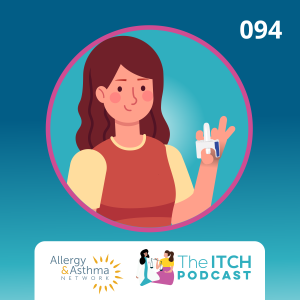
Exploring Neffy Nasal Spray: A Needle-Free Epinephrine Option
Managing anaphylaxis just became easier with Neffy, the FDA-approved nasal spray for epinephrine. This innovative, needle-free option is transforming emergency allergy care.
Dr. Autumn Burnette joins Dr. Payel Gupta and Kortney to discuss how Neffy works, who it’s best suited for, and its potential impact on anaphylaxis treatment. With her expertise in allergy and immunology, Dr. Burnette addresses common concerns about Neffy’s effectiveness, highlights its benefits, and shares practical details like cost, shelf life, and heat sensitivity.
What We Cover in our Episode About Neffy Nasal Spray Delivery System
- A Game-Changer for Anaphylaxis: Discover how Neffy offers a needle-free option for delivering life-saving epinephrine during severe allergic reactions.
- Patient Benefits of Neffy: Learn how its ease of use and accessibility can make anaphylaxis management less daunting for patients.
- Addressing Skepticism About Neffy: Dr. Burnette explains how studies validate Neffy’s effectiveness and addresses questions about trusting a nasal spray for emergencies.
- Practical Tips for Neffy Use: Get insights on cost, insurance coverage, shelf life, and whether Neffy works with nasal congestion or nose jobs!
- Expanding Treatment Options: Explore why having more options like Neffy is exciting for patients and healthcare providers alike.
More resources about Anaphylaxis and Neffy:
- Neffy: https://www.neffy.com/
- Anaphylaxis: https://allergyasthmanetwork.org/anaphylaxis/
- Epinephrine: https://allergyasthmanetwork.org/anaphylaxis/what-is-epinephrine/
Made in partnership with The Allergy & Asthma Network. Thanks to ARS Pharma for sponsoring today’s episode. While they support the show, all opinions are our own, and sponsorship doesn’t influence our content or editorial decisions. Any mention of brands is for informational purposes and not an endorsement.
This podcast is for informational purposes only and does not substitute professional medical advice. Always consult with your healthcare provider for any medical concerns.
Nov 14, 2024
Nov 14, 2024
28 min
Curious About Neffy, the New Nasal Epinephrine Spray?
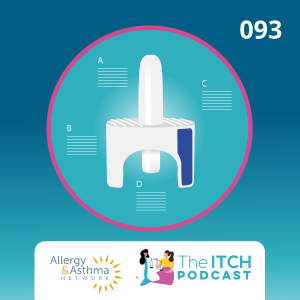
We’re diving into everything you need to know about Neffy, the new FDA-approved nasal spray for epinephrine. This groundbreaking, needle-free option provides an easy way to manage anaphylaxis in emergencies.
Dr. Sakina Bajowala joins Dr. Gupta and Kortney to explore Neffy’s unique nasal delivery system, what distinguishes it from traditional auto-injectors, and the science behind its development. With her expertise in allergy and asthma care, Dr. Bajowala walks us through Neffy’s FDA approval journey, the technology that powers the nasal spray, and how it’s changing the landscape of allergy treatment.
What We Cover in Our Episode on Neffy Nasal Spray:
- Why Neffy Nasal Spray is Unique: Dr. Bajowala explains why nasal epinephrine is an innovative choice for anaphylaxis treatment and when it may be preferable to injectables.
- FDA Approval for Neffy: We discuss the rigorous testing behind Neffy’s FDA approval, including studies conducted with actual patients post-approval.
- Intravail Technology in Neffy Nasal Spray: Learn about the advanced technology enabling rapid, effective absorption through the nasal passages for timely intervention.
- Considerations for Using Neffy Nasal Spray: We explore practical aspects of Neffy’s use, from nasal congestion to potential side effects.
- Neffy Dosing and Side Effects: Dr. Bajowala provides insights on dosing, including when a second dose may be recommended.
Helpful links:
- Neffy: https://www.neffy.com/
- Anaphylaxis: https://allergyasthmanetwork.org/anaphylaxis/
- Epinephrine: https://allergyasthmanetwork.org/anaphylaxis/what-is-epinephrine/
This podcast is made in partnership with The Allergy & Asthma Network. Thanks to ARS Pharma for sponsoring today’s episode. While they support the show, all opinions are our own, and sponsorship doesn’t influence our content or editorial decisions. Any mention of brands is for informational purposes and not an endorsement.
Nov 12, 2024
Nov 12, 2024
46 min
It's that time of year again—open enrollment is here! Don't worry, we're here to help you choose the best health insurance for you and your family.
Lacey Varnon from the National Association of Medication Access and Patient Advocacy (NAMAPA) is back with Dr. Gupta and Kortney to discuss everything you need to consider when selecting a health insurance plan. This episode is all about understanding health insurance during open enrollment, from picking the right type of plan to ensuring your coverage fits your specific needs.
We cover essential aspects of open enrollment health insurance, including networks, premiums, copayments, and long-term medication coverage, so you can feel confident you're choosing a plan that works for you.
What We Cover in Our Episode on Open Enrollment Health Insurance:
- Key Factors to Consider: Lacey explains the importance of listing your doctors, diagnoses, and medications to ensure they're covered.
- Understanding Premiums, Deductibles, and Networks: Gain insight into how these elements impact your out-of-pocket costs and access to care.
- Plan Types – HMO, PPO, EPO, and POS: We break down each type of plan, including pros and cons, to help you decide which suits your healthcare needs.
- Special Considerations for Pharmacy Benefits and Long-Term Medications: Lacey offers advice on accessing necessary medications through your health plan or alternative methods if they are not covered.
- Navigating Open Enrollment with Family Needs in Mind: Tips on choosing a plan that considers your family member's medical needs and how you've used insurance in the past.
More resources about health insurance:
- Health Insurance Coverage in the United States
- Why was my prescription denied by insurance?
- Health Insurance for Asthma and Allergies
- Choosing the Right Health Insurance Plan
- Navigating Insurance Denials and Filing Appeals
- NAMAPA: National Association for Medication Access and Patient Advocacy
- Medication Access Network
This episode is made in partnership with the Allergy & Asthma Network and in collaboration the National Association of Medication Access and Patient Advocacy (NAMAPA). We thank Amgen for sponsoring this episode.
Nov 7, 2024
Nov 7, 2024
28 min
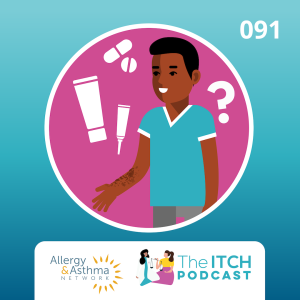
Discover Meka's journey with chronic hives in skin of color—a powerful story of resilience, self-advocacy, and building the right support system to get the care she deserves.
Emmeka, or "Meka," joins Dr. Gupta and Kortney to share her personal experience of living with chronic urticaria as a person with skin of color. Meka describes her journey from a lack of resources addressing hives on black skin to finding effective support and resources. She opens up about the long path to her diagnosis, the depth of her online research into chronic spontaneous urticaria (CSU), and the importance of finding knowledgeable, empathetic healthcare providers.
Meka’s optimism highlights how a proactive approach, a trusted care team, and a strong support network can make a difference in managing CSU.
What we cover in our episode about living with hives in black skin:
- Identifying Hives on Darker Skin: Meka shares the challenge of finding accurate images of hives on darker skin tones, which can complicate the first steps of recognizing your condition and create feelings of isolation.
- Advocating for Yourself in Healthcare: Meka provides strategies for effective self-advocacy during the diagnosis process, including tips for clear communication with healthcare providers.
- Building a Support Network: Meka emphasizes the value of connecting with others who share similar experiences, including support groups and online communities.
- Managing Symptoms & Minimizing Scars: Meka offers practical advice for managing CSU symptoms, reducing scarring, and strategies to avoid scratching.