

A podcast bringing you easily digestible information on all things allergies, asthma eczema, and immunology
Episodes
Jul 10, 2025
Jul 10, 2025
37 min
Is it too early to start planning for school when summer has just begun? Not if your child has food allergies.
Dr. Nikki Chase, a board-certified allergist-immunologist, joins us to share what families need to know to prepare for a safe and successful school year. From school forms and emergency plans to when to self-carry epinephrine and how to teach self-advocacy, this episode is filled with practical, real-life guidance.
We discuss how to make the most of your summer doctor visits, why early planning matters, and how newer epinephrine options, like the nasal spray, may help reduce fear and delay in use. You’ll also hear Dr. Chase’s advice on helping kids build confidence and take ownership of their allergy care.
What we cover in our episode about preparing for school with food allergies:
- 504 plans explained: What they are, how to request one, and why they matter for legal protection and clear school accommodations.
- Anaphylaxis Action Plans: What’s included, how they differ from 504 plans, and why they take the guesswork out of emergencies.
- Epinephrine device options: From auto-injectors to nasal spray, what’s available and how to choose the best fit for your child.
- What to work on this summer to build allergy confidence: The rules, responsibilities, and privileges kids should practice to stay safe and feel more in control.
- Self-advocacy & communication tips: How to help your child speak up, navigate cafeteria dynamics, and respond to food allergy bullying.
More resources about back-to-school with food allergies
- Planning for School with Food Allergies
- School Plans for Students with Food Allergies
- Managing Allergies in Schools: A Guide for Staff
- Epinephrine for Anaphylaxis: What Treatments are Available?
- Food Allergy Treatment & Management
Produced in partnership with The Allergy & Asthma Network. Thanks to ARS Pharma for sponsoring this episode.
This podcast is for informational purposes only and does not substitute professional medical advice. Always consult with your healthcare provider for any medical concerns.
Jul 4, 2025
Jul 4, 2025
14 min
Have you ever wondered what happens after an anaphylactic reaction?
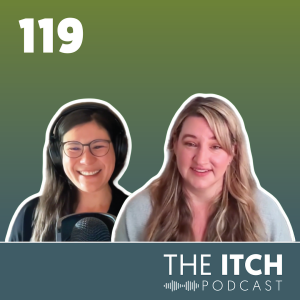
How do you process everything that went down, from ingesting the allergen to using epinephrine? In this candid conversation, Kortney sits down with Tamara Hubbard, a licensed clinical professional counselor, to unpack the emotional aftermath of a severe allergic reaction.
Kortney shares her own recent experience of self-administering epinephrine for the first time after over 30 years of living with food allergies. Together, they explore how guilt, self-doubt, and family dynamics can shape recovery and how to move forward without letting fear or shame take over.
What we cover in this episode about processing an anaphylactic reaction:
- The moment Kortney realized she needed to self-inject epinephrine and why it felt empowering.
- Why it’s common to second-guess yourself during an allergic reaction.
- The unique guilt and blame that can surface after a reaction, even when you did everything right.
- How to handle well-meaning but unhelpful comments from family and friends.
- Tips for processing the event without letting it define your future.
About Our Guest
Tamara Hubbard, MA, LCPC is a licensed clinical professional counselor and the founder of the Food Allergy Counselor Directory & Website. She specializes in helping individuals and families navigate the emotional and mental health challenges that come with managing food allergies. Tamara is passionate about empowering people to build confidence and resilience while living safely with food allergies.
Learn more about Tamara’s work at FoodAllergyCounselor.com.
Jun 26, 2025
Jun 26, 2025
40 min
Do patients and their healthcare teams view the impact of indolent systemic mastocytosis on quality of life in the same way?
In this episode of The Itch Review, we unpack key findings from a May 4, 2025, descriptive study from The Journal of the Advanced Practitioner in Oncology, “Patient and Advanced Practitioner Perspectives on Symptom Burden and Symptom Management in Indolent Systemic Mastocytosis.”
Is there a disconnect between what patients feel and what providers think when it comes to indolent systemic mastocytosis (ISM)? A new study suggests yes, revealing a mismatch between how patients and advanced practitioners (APs) perceive disease control and what that means for care. This episode dives into whether research like this could help bridge the gap between patient experience and clinical perspective.
What we cover in our episode about the indolent systemic mastocytosis:
- Understanding ISM: What makes indolent systemic mastocytosis a unique multisystem condition?
- Symptom burden explained: Frequency, severity, duration, distress, and functional interference.
- Patient vs practitioner views: Understanding the most impactful symptoms differs from patient to AP.
- Practical tools: The Indolent Systemic Mastocytosis-Symptom Assessment Form (ISM-SAF) is a validated instrument that can be used to determine symptoms and severity.
- Barriers and solutions: Why tracking symptoms is hard and how clinics can improve coordination.
- AP-focused Toolkit: Resources to help nurse practitioners, PAs, and pharmacists provide patient-centered ISM care.
***
The Itch Review, hosted by Dr. Gupta, Kortney, and Dr. Blaiss, explores the latest allergy and immunology studies, breaking down complex research in conversations accessible to clinicians, patients, and caregivers. Each episode provides key insights from journal articles and includes a one-page infographic in the show notes for easy reference.
***
This podcast is made in partnership with The Allergy & Asthma Network.
Thanks to Blueprint Medicines for sponsoring today’s episode.
This podcast is for informational purposes only and does not substitute professional medical advice. Always consult with your healthcare provider for any medical concerns.
Jun 19, 2025
Jun 19, 2025
40 min
There have been countless advances in controller therapies for asthma, but our go-to rescue inhaler, a quick-relief bronchodilator, hasn’t changed in decades.
In this episode of The Itch Review, we spotlight “As-Needed Albuterol–Budesonide in Mild Asthma” published in The New England Journal of Medicine, May 19, 2025. This article looks at the BATURA trial, which tested whether adding budesonide to albuterol rescue inhalers cuts exacerbations in adults whose mild asthma remains uncontrolled on occasional albuterol/short-acting beta agonist (SABA) therapy.
Could this combo inhaler really cut severe asthma attacks in people with mild disease?
What we cover in our episode about the BATURA trial:
- Understanding asthma: In asthma, your airways both tighten up and get swollen. Treating both the tightness and the swelling right when you feel symptoms could stop a full-blown attack.
- All-online trial: BATURA used telehealth to enroll 2,516 people with mild asthma from across the U.S. and ran the study until it saw a preset number of 172 serious attacks.
- Big takeaways: The combo inhaler cut serious attacks by almost half, halved yearly flare-ups, and slashed steroid use by 63%. All without people needing to use their medication more often.
- Why it ended early: An independent safety board reviewed the data mid-trial and concluded that the combo inhaler was so clearly better that it would’ve been unfair to continue giving anyone the old treatment.
- What’s next: We still need studies on teens and children to ensure that these same benefits hold true for younger patients.
***
The Itch Review, hosted by Dr. Gupta, Kortney, and Dr. Blaiss, explores the latest allergy and immunology studies, breaking down complex research in conversations accessible to clinicians, patients, and caregivers. Each episode provides key insights from journal articles and includes a one-page infographic in the show notes for easy reference.
***
This podcast is made in partnership with The Allergy & Asthma Network.
Thanks to AstraZeneca for sponsoring today’s episode.
This podcast is for informational purposes only and does not substitute professional medical advice. Always consult with your healthcare provider for any medical concerns.
Jun 12, 2025
Jun 12, 2025
35 min
Have you ever wondered whether fexofenadine (Allegra®) really doesn’t make you drowsy?
In this episode of The Itch Review, we dissect a July 2024 systematic review from Current Medical Research & Opinion, “Why fexofenadine is considered a truly non-sedating antihistamine with no brain penetration.”
This rigorous systematic review pools over 60 human studies from PET brain-scan trials and Proportional Impairment Ratio (PIR) tests to driving-simulator research and real-world quality-of-life surveys. It looks to answer one question: Does fexofendine ever sneak past the blood–brain barrier and slow you down like first-generation allergy meds?
This episode looks at the evolution of H1 antihistamines from first-generation drugs like diphenhydramine to today’s second-generation options (cetirizine, loratadine, and fexofenadine) to show how each interacts with the blood–brain barrier (BBB) and why that matters for sedation.
We highlight the review’s key studies:
- PET Imaging: Measuring H1-receptor occupancy. Fexofenadine registers <1%, even at high doses
- PIR Analyses: Proportional Impairment Ratio tests show virtually zero cognitive or motor impairment when taking fexofenadine
- Driving & Aviator Trials: Side-by-side comparisons with diphenhydramine, alcohol, and fexofenadine
Finally, we dive into real-world outcomes on reaction times, work-and-school performance, pediatric safety, and even NASA’s approval for pilot use.
GET THE INFOGRAPHIC TO FOLLOW ALONG
***
The Itch Review, hosted by Dr. Gupta, Kortney, and Dr. Blaiss, explores the latest allergy and immunology studies through 30-minute conversations that are accessible for everyone. This podcast aims to support busy clinicians, patients, and caregivers in staying updated on current research. Each episode provides valuable insights from key journal articles and includes a convenient one-page infographic in the show notes for easy reference.
***
This podcast is made in partnership with The Allergy & Asthma Network.
Thanks to Opella for sponsoring today’s episode.
This podcast is for informational purposes only and does not substitute professional medical advice. Always consult with your healthcare provider for any medical concerns.
Jun 6, 2025
Jun 6, 2025
42 min
Stepping into young adulthood also means stepping up as the primary manager of your food allergies.
For teens and young adults with food allergies, early adulthood is an exciting but challenging shift. It’s the first time you’re the primary communicator, managing everything from dining halls to doctor’s appointments on your own. Add in new living spaces, new friends, and a growing social life, and there’s a lot to navigate.
Dr. Theresa Bingemann joins Kortney and Dr. Payel Gupta to unpack how food allergy management changes as you step into early adulthood. We cover self-advocacy skills, emergency preparedness, how to create allergy-friendly spaces in shared housing, and tips for navigating social life safely. Plus, we dive into practical advice for managing stress, staying emotionally healthy, and finding your footing in this new phase of life.
What we cover in our episode about managing food allergies in young adults:
- Self-advocacy matters. Learn how to speak up about your allergies with confidence.
- Planning ahead for emergencies. Practicing with an epinephrine device is not just for kids! Plus, knowing the available campus resources is key to feeling secure in your food allergy management.
- Creating a safe living space. Tips for setting up allergy-friendly dorm rooms and kitchens with roommates.
- Navigating social life. How to handle parties, dating, and dining out while staying safe.
- Managing emotional well-being. Support strategies for handling anxiety, stress, and the transition to independence.
Episode 6 in our “Food Allergies: Ages & Stages” series
Across six episodes, we explore how food allergies show up and shift through different phases of life, from introducing solids in infancy to navigating school and adapting in adulthood. We’re here with evidence-based info, expert insights, and lived experience to guide you through it all.
- Episode 110: Early Allergen Introduction
- Episode 111: Food Allergy Basics for Newly Diagnosed Families
- Episode 112: Managing Food Allergies in Babies and Toddlers
- Episode 113: Managing Food Allergies in School-Age Children
- Episode 114: Managing Food Allergies in Teens
AAAAI Ages & Stages PDFs
Thanks to Genentech and Aquestive for sponsoring this episode.
This podcast is for informational purposes only and does not substitute professional medical advice. Always consult with your healthcare provider for any medical concerns.
May 30, 2025
May 30, 2025
36 min
Independence, risk-taking, and peer pressure. Welcome to the teenage years with food allergies!
Managing food allergies during the teen years poses new challenges. Tweens and teens are gaining independence, navigating social pressures, and taking more responsibility for their health. But this is also the stage where risky behavior peaks, and the risk for severe allergic reactions is highest. That’s why clear communication and trust matter more than ever.
In this episode of our Food Allergy Stages Series, Dr. Travis Miller joins Kortney and Dr. Payel Gupta to unpack how food allergy management changes from ages 12 to 18. We talk about empowering teens through shared decision-making, building trust between parents and teens, and developing essential life skills like label reading, restaurant communication, and self-advocacy. We also dive into difficult topics like bullying, alcohol, and mental health. Finally, we address why emotional support is just as important as carrying an epinephrine auto-injector.
What we cover in our episode about managing food allergies in teens:
- Why trust matters. Teens are more likely to follow allergy routines when they feel heard and involved.
- Empowering independence. From grocery shopping to reading labels, this is the age to start turning over the reins.
- Talking about risky behavior. Alcohol and dating can put teens with food allergies at higher risk.
- Bullying and boundaries. Learn how to spot signs of bullying and who can help your teen feel safe and supported.
- Mental health and identity. Food allergies can affect confidence. We share ways to support emotional wellness and self-esteem.
Episode 5 in our “Food Allergies: Ages & Stages” series
Across six episodes, we explore how food allergies show up and shift through different phases of life, from introducing solids in infancy to navigating school and adapting in adulthood. We’re here with evidence-based info, expert insights, and lived experience to guide you through it all.
- Episode 110: Early Allergen Introduction
- Episode 111: Food Allergy Basics for Newly Diagnosed Families
- Episode 112: Managing Food Allergies in Babies and Toddlers
- Episode 113: Managing Food Allergies in School-Age Children
Thanks to Genentech and Aquestive for sponsoring this episode.
This podcast is for informational purposes only and does not substitute professional medical advice. Always consult with your healthcare provider for any medical concerns.
May 22, 2025
May 22, 2025
30 min
How do you help your child go from knowing they have a food allergy to actually managing it in everyday life?
This is the stage when everything starts to shift. Between the ages of 5 and 11, your child is learning how to describe symptoms, speak up at school, and navigate birthday parties. They’re also watching you closely and picking up how to talk about food allergies based on how you do it.
In this episode of our Food Allergy Stages & Stages Series, pediatric allergist and immunologist Dr. Dave Stukus joins Kortney and Dr. Payel Gupta to talk about how food allergy care changes in the early school years.
What we cover in our episode about managing food allergies in ages 5 to 11:
- Build awareness early. Teach kids to name their allergens, recognize symptoms, and use simple words to describe how they feel.
- Model safe behavior. Kids learn by watching you read labels, ask questions, and stay calm.
- Normalize epinephrine. Practice with a trainer and talk about it openly so it feels familiar, not scary.
- Prepare for real-life situations. From school to parties, give kids scripts and strategies to feel confident and included.
- Support emotional wellness. Watch for signs of anxiety and help your child feel empowered, not afraid.
Episode 4 in our “Food Allergies: Ages & Stages” series
Across six episodes, we explore how food allergies show up and shift through different phases of life, from introducing solids in infancy to navigating school and adapting in adulthood. We’re here with evidence-based info, expert insights, and lived experience to guide you through it all.
- Episode 1: Early Allergen Introduction (Ep. 110)
- Episode 2: Food Allergy Basics for Newly Diagnosed Families (Ep. 111)
- Episode 3: Managing Food Allergies in Babies and Toddlers (Ep. 112)
Made in partnership with the Allergy & Asthma Network. Thanks to Genentech and Aquestive for sponsoring today’s episode.
This podcast is for informational purposes only and does not substitute professional medical advice. Always consult with your healthcare provider for any medical concerns.
Timestamps
01:42 Breaking down food allergy care by age group
02:58 What kids need to know about living with food allergies
04:47 Sharing allergy information without creating fear
06:40 Talking to children about symptoms
08:40 What to tell kids about epinephrine
11:04 Helping kids without passing on fear or anxiety
13:18 Mental health signs related to food allergies
16:04 Managing allergens in the home environment
19:50 The pros and cons of allergy tables at school
21:42 Communicating with schools and daycares
25:29 Preparing for parties and sleepovers
27:33 Final tips for parenting kids with food allergies (ages 5–11)
May 15, 2025
May 15, 2025
32 min
How do you keep a baby or toddler safe with food allergies when they put everything in their mouths and can’t yet explain how they feel?
This stage of life is full of firsts, not just for your child, but for you as a parent managing food allergies. From introducing new foods to navigating daycare and watching for reactions in a child who can’t speak yet, there are countless moments you’ll need to manage. This episode focuses on building safe habits early, empowering caregivers, and showing how simple routines (like label reading or toy wiping) can make a big difference.
Allergist Dr. Basil Kahwash joins Kortney and Dr. Payel Gupta to explore how food allergy care evolves from infancy through preschool. They cover real-life, practical strategies from wiping toys and watching for symptoms to managing daycare risks and building early self-advocacy skills.
What we cover in our episode about managing food allergies in toddlers:
- Why age matters. Babies, toddlers, and preschoolers each need different safety strategies.
- What symptoms look like. Learn how reactions can show up in babies who can’t talk.
- Introducing new foods. Why early introduction still matters even after a new food allergy diagnosis.
- Daycare safety tips. How to prep caregivers and keep your child protected.
- Building habits early. From label reading to toy wiping, young kids learn by watching you.
Episode 3 in our “Food Allergies: Ages & Stages” series
Across six episodes, we explore how food allergies show up and shift through different phases of life, from introducing solids in infancy to navigating school and adapting in adulthood. We’re here with evidence-based info, expert insights, and lived experience to guide you through it all.
- Episode 1: Early Allergen Introduction (Ep. 110)
- Episode 2: Food Allergy Basics for Newly Diagnosed Families (Ep. 111)
Episodes to build a better food allergy foundation:
Made in partnership with The Allergy & Asthma Network.
Thanks to Genentech and Aquestive for sponsoring today’s episode.
This podcast is for informational purposes only and does not substitute professional medical advice. Always consult with your healthcare provider for any medical concerns.
May 12, 2025
May 12, 2025
34 min
Just diagnosed with a food allergy and feeling lost? You’re not alone and don’t have to figure out food allergy life by yourself. We’re here to help you understand food allergy basics: what causes allergic reactions, how to recognize symptoms, and how to manage your allergy safely, every day.
This is the second episode in our Food Allergies: Ages & Stages, and it’s all about building a strong foundation after a new diagnosis. Whether it’s your child, your partner, or you who was recently diagnosed, Kortney and Dr. Payel Gupta walk through everything you need to know in those early days. From understanding how allergic reactions work to learning about life-saving tools like epinephrine, and new management options like OIT and omalizumab.
Dr. G explains what causes your immune system to misfire, how fast symptoms can appear, and why no two reactions are the same. We also dive into real-life strategies like carrying your epinephrine device, knowing when and how to use it, and navigating social situations. Plus, Kortney shares personal tips that have helped her live safely with food allergies for over 30 years.
What we cover in our episode about managing a new food allergy diagnosis
- What just happened?! We explain what causes allergic reactions, including the roles of IgE, histamine, and mast cells.
- Are all allergic reactions the same? Learn how quickly reactions can occur and why symptoms aren’t always predictable.
- Why is epinephrine so important? When to use epinephrine, how to use it, and why antihistamines aren't enough.
- New options to help manage food allergies. A look at treatments like OIT and omalizumab (Xolair) and why you still need to carry your epi.
- Peace of mind with an action plan. What to include in a Food Allergy Action Plan and how to help others take your allergy seriously.
Episode 2 in our “Food Allergies: Ages & Stages” series
Across six episodes, we explore how food allergies show up and shift through different phases of life, from introducing solids in infancy to navigating school and adapting in adulthood. We’re here with evidence-based info, expert insights, and lived experience to guide you through it all.
Episodes mentioned to help build your foundation:
- Episode 59: What is Anaphylaxis and When to Use Epinephrine
- Episode 95: The Science Behind Allergic Reactions
- Episode 98: Food Allergy Treatment and Management
- Ep. 110: Early Introduction of Allergenic Foods – Preventing Food Allergies Before They Start
Made in partnership with The Allergy & Asthma Network.
Thanks to Genentech and Aquestive for sponsoring today’s episode.
This podcast is for informational purposes only and does not substitute professional medical advice. Always consult with your healthcare provider for any medical concerns.